

 Gift Cards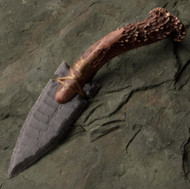
Knives as Collectible Art: Where Craftsmanship Meets History
2nd Sep 2025
Why Collectors Value Knives as More Than Tools
Knives, though often regarded as simple tools, transcend their utility to become objects of artistry and historical significance. From the flint blades of ancient civilizations to the ornate daggers of the Renaissance and the iconic Bowie knives of the American frontier, knives embody the intersection of craftsmanship, culture, and history.
For collectors, certain knives are not just implements; they are cherished artifacts. Each blade tells a story of human ingenuity, warfare, and artistry, making them prized pieces in museums, auctions, and private collections worldwide.
In this guide, we’ll explore the artistry behind knife-making, the historical context that gives knives collectible value, and why blades continue to captivate collectors across generations.
The Artistry of Knife-Making
Crafting a knife requires both engineering precision and artistic vision. Much like sculptors or painters, master bladesmiths treat their craft as both functional and aesthetic.
- Materials: High-carbon steel and Damascus steel knives are especially prized, the latter for its distinctive rippling patterns and strength.
- Blade Designs: From the elegant curve of a Japanese tanto knife to the robust clipped point of a Bowie knife, every shape reflects purpose and culture.
- Forging Process: Blades are forged, heat-treated, and tempered to balance hardness and resilience, techniques passed down for centuries.
- Handles & Ornamentation: Knife handles transform utility into art. Materials like polished hardwood, bone, ivory, and gemstones are combined with engraving, inlays, or leather wrapping. Even details like the bolster or pommel engravings can elevate a knife into a functional sculpture.
For collectors, these artistic details are often what distinguish a valuable collectible knife from a common tool.
Knives as Historical Artifacts
Every knife reflects the era in which it was made, functioning as a historical document etched in steel.
- Ancient Blades: Flint and obsidian knives offered survival to early humans, making them archaeological treasures today.
- Medieval & Renaissance Daggers: Carried by knights and nobility, often engraved with religious or heraldic motifs, now sought after as rare collectibles.
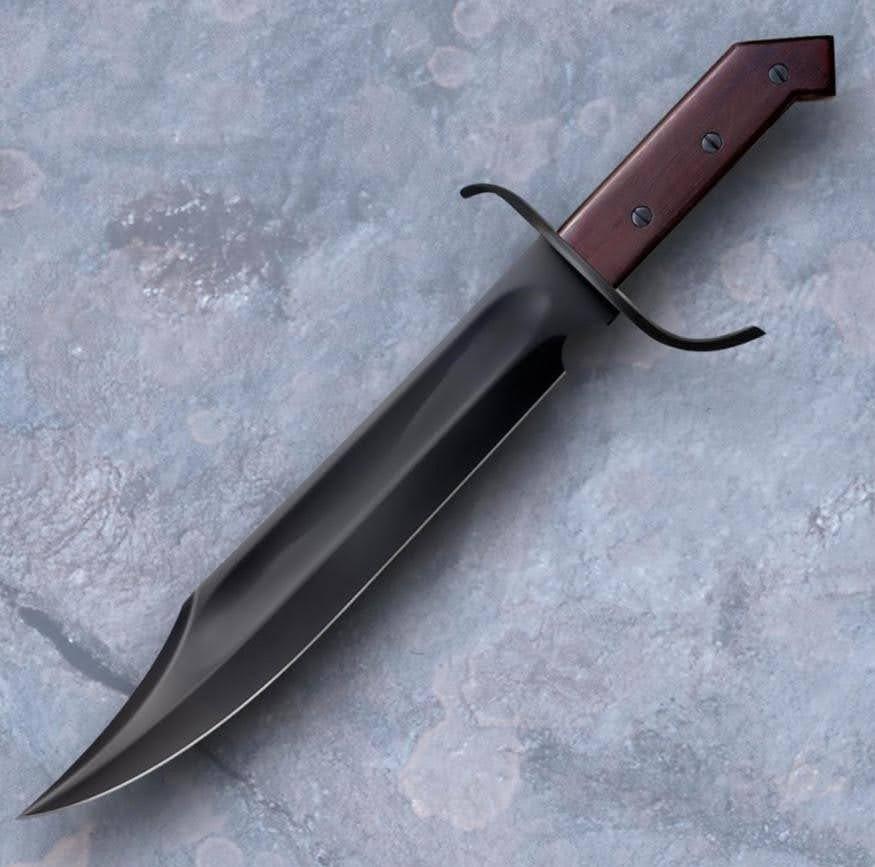
- Bowie Knives of the 19th Century: Popularized by Jim Bowie, these large frontier blades symbolize rugged individualism and remain collector favorites.
- Military Knives of the 20th Century: Blades like the Fairbairn-Sykes commando dagger from WWII or a Gurkha Kukri are not just weapons; they’re symbols of courage tied to pivotal world events.
For collectors, knives associated with wars, exploration, or cultural rituals hold immense value, combining tangible history with artistry.
Why Knives Are Valuable Collectibles
The value of collectible knives depends on several factors:
- Rarity – Antique knives or limited-production custom builds are prized.
- Craftsmanship – Perfect grinds, seamless handles, and intricate embellishments boost desirability.
- Condition – Original patina, intact fittings, and even the presence of the original scabbard dramatically increase value.
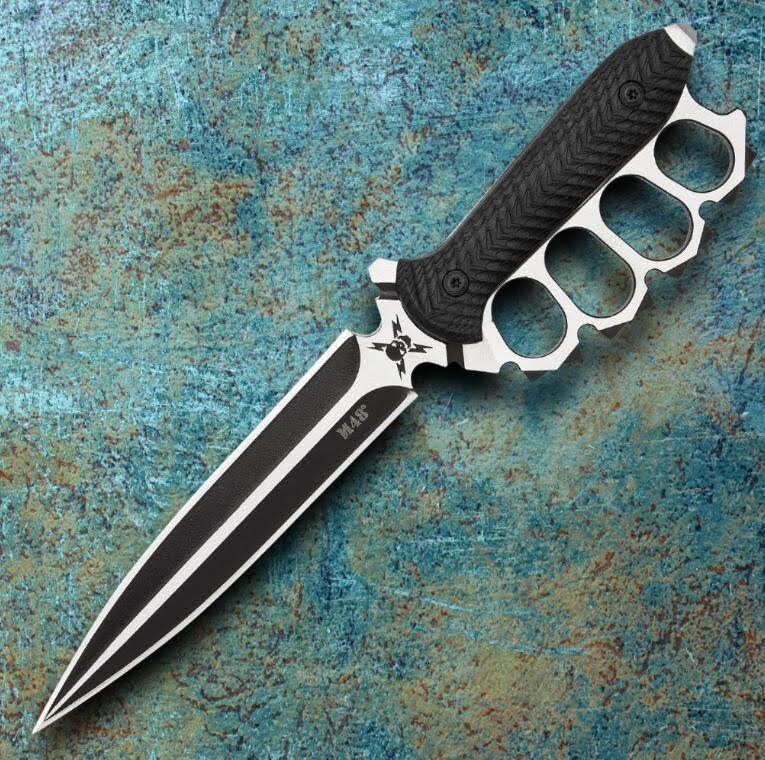
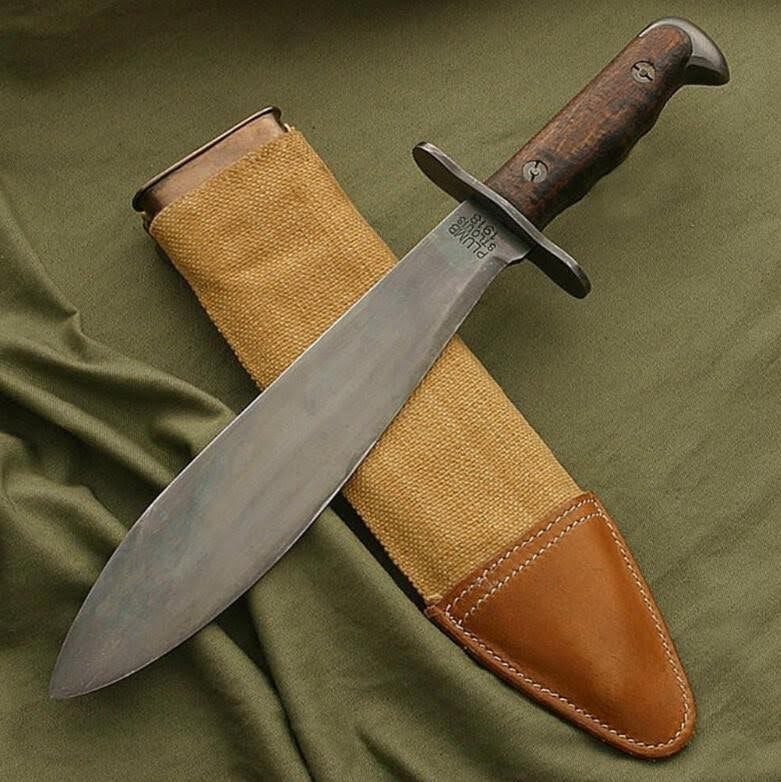
- Historical or Cultural Significance – From a WWI trench knife to a Scottish dirk, knives connected to cultural heritage resonate strongly with collectors.
For modern enthusiasts, custom Damascus steel knives or limited-edition artisan blades are highly sought after, while antique pieces with verified provenance can command premium prices at auction.
Knife Collecting in the Modern Era
Today, knife collecting is a vibrant global community, fueled by online marketplaces, international trade shows, and specialty auctions.
- Antique Knives: – High-demand pieces often come from estate sales or military collections.
- Custom Knives: – Artisans create one-of-a-kind designs, merging old-world forging with modern materials like carbon fiber and G-10.
- Reproductions: – Faithfully crafted reproductions, like those from Atlanta Cutlery, make historical knives accessible to collectors without the steep cost of originals.
Whether you’re just starting out or expanding an existing collection, the diversity of collectible knives ensures there’s something for every enthusiast.
Challenges and Considerations for Collectors
Collecting knives is rewarding, but it comes with responsibilities:
- Authentication: – Beware of forgeries; research makers, marks, and materials.
- Legal Restrictions: – Knife laws vary; some trench knives or switchblades may be restricted.
- Preservation: – Antique knives require climate-controlled storage and protective care to avoid rust or damage.
- Balancing Display & Conservation: – Collectors often face the challenge of showing off their treasures while preserving them for future generations.
By understanding these challenges, collectors can better protect both their investments and the historical legacy behind each knife.
Conclusion: Knives as Living History
Knives are more than sharp edges. They are collectible works of art, weaving together craftsmanship and cultural history. From the layered beauty of Damascus steel to the storied legacy of a Bowie knife or Fairbairn-Sykes dagger, these blades remind us of human creativity, resilience, and artistry.
At Atlanta Cutlery, we celebrate this tradition by offering everything from antique Bowie knives to authentic Kukris and museum-quality reproductions. Whether you’re a seasoned collector or a beginner drawn to the artistry of blades, you’ll find a piece of history waiting to join your collection. Shop our complete collection of knives now!